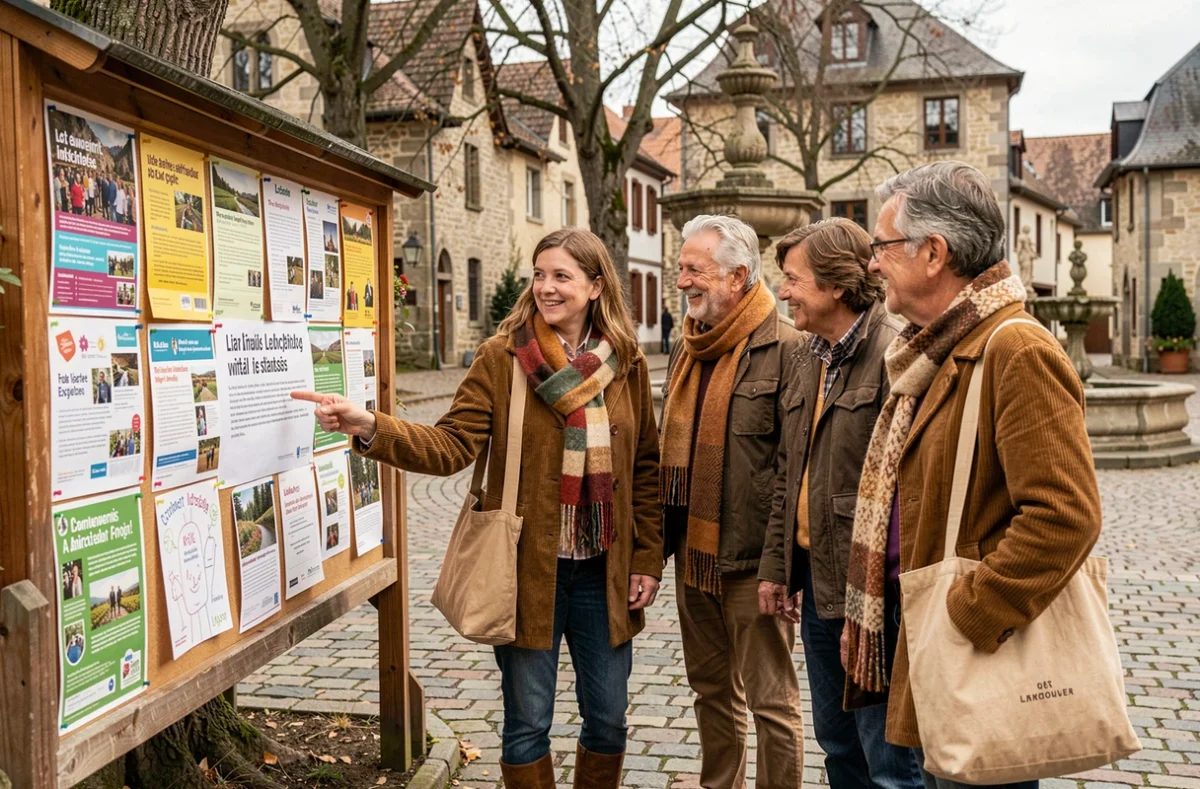
How do residents take part in projects that transform their communities, whether in Aube or Luxembourg? From co-designed food networks and school programs on sustainable food to institutional protocols that strengthen citizens’ voices in Luxembourg’s municipalities, forms of participation differ considerably on either side of the border.
Citizen participation in Luxembourg and Aube: two models compared
The difference between the two areas lies less in their ambitions than in the mechanisms available to residents. The table below compares recent initiatives documented in each area.
| Criterion | Aube (Grand Est, France) | Luxembourg (Grand Duchy) |
|---|---|---|
| Main approach | Local food forums, school-based community projects | Reform of the municipal law, Council of Europe protocol |
| Institutional framework | Cooperation between local authorities, associations (E-graine Grand-Est) and agricultural sectors | Ministerial signing of the protocol on the right to participate in local decision-making (November 12, 2026) |
| Scope of action | Municipality or intermunicipal authority (Ramerupt, Torcy-le-Grand) | Municipality, within a national legislative framework |
| How residents get involved | Hands-on workshops, classroom education projects | Municipal consultation formalized by the forthcoming law |
| Environmental focus | Sustainable food, short supply chains | Forest resilience, greening public spaces |
The Grand Duchy formalizes participation through legislation: the protocol signed on November 12, 2026 commits the country to ensuring citizens have a say in local decisions. In Aube, momentum relies more on grassroots initiatives led by community organizations and local authorities.
For a closer look at these local developments, Aube news brings together municipal projects, events and ongoing consultations across Luxembourg.
Local food in Aube: from forums to classrooms
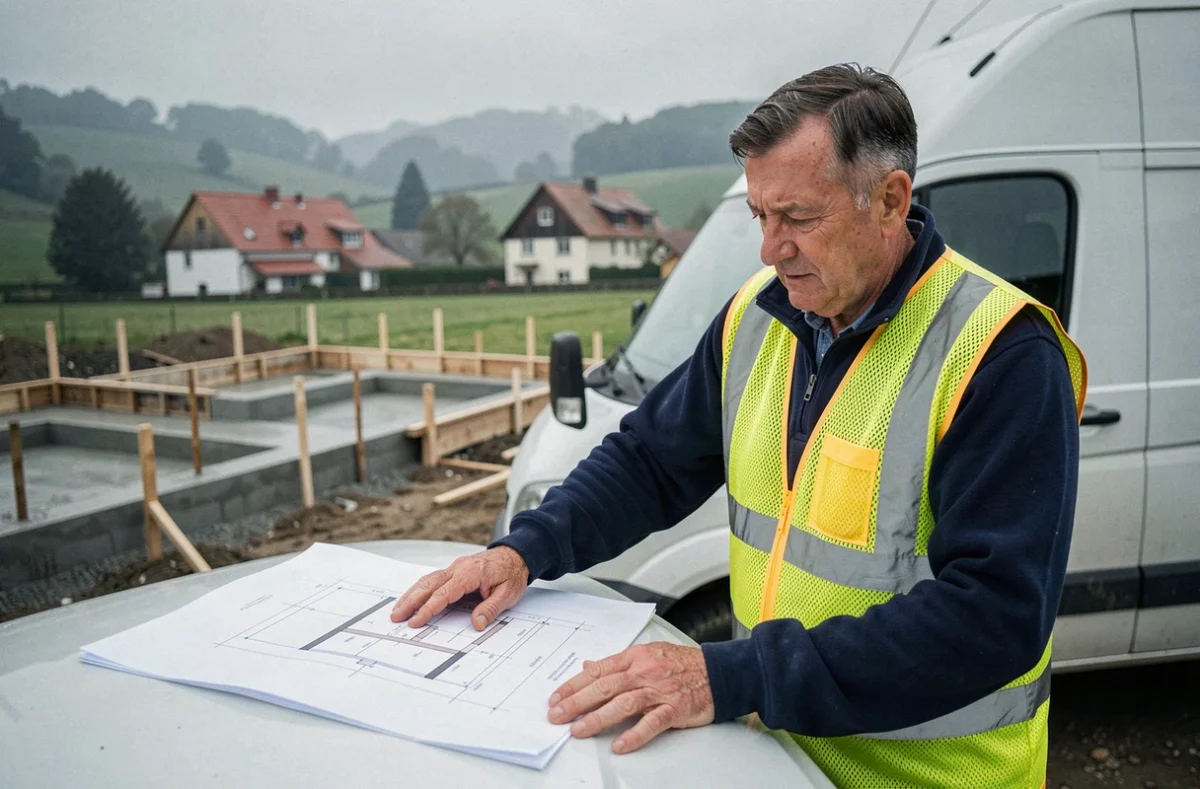
The first local food forums held in Aube aim to strengthen short supply chains by bringing producers, elected officials and community organizations together to address practical local issues. The stated goal is to identify the logistical and economic barriers preventing short supply chains from expanding on a larger scale.
The educational component builds on this approach. In Ramerupt and Torcy-le-Grand, CM1-CM2 classes are taking part in the “Burger Frite” project, run by the E-graine Grand-Est association. Through hands-on workshops, students explore the links between food, agriculture and environmental health.
What this school project changes in practice
Rather than relying on lectures, the program gets children investigating what is on their own plates. They trace the production chain behind a typical meal, identify its environmental impacts and compare the local alternatives available.
This kind of program creates a ripple effect: families encounter sustainable food issues through their children, extending its reach well beyond the classroom. Here, participation happens through schools, not through voting or consultation.
Luxembourg municipalities: resilient forestry and community greening
In Luxembourg, citizen participation also has a direct environmental dimension. A national campaign of planting species suited to local climate conditions is mobilizing municipalities to renew their forests. The issue is more than symbolic: repeated droughts have weakened entire stands, and traditional species are no longer enough.
At the same time, a call for projects supports the greening and depaving of municipal public spaces. A new call was announced for December 2026, giving municipalities an opportunity to apply to transform parking lots or paved squares into planted, permeable spaces.
How can residents get involved in these forestry projects?
Participating municipalities organize planting days that residents can join. The choice of species, however, is based on technical expertise and overseen by national forestry services. Citizens do the planting, but they do not decide on their own what gets planted—a key difference from a simple community gardening project.
- Municipal planting days are generally open to residents without prior registration
- Applications for depaving projects are restricted to municipalities, but residents can encourage their municipal councils to apply
- The reform of the municipal law, which is still going through the legislative process, aims to formalize citizen consultations beyond environmental initiatives alone
Local projects in Aube and Luxembourg: what sets citizen participation apart
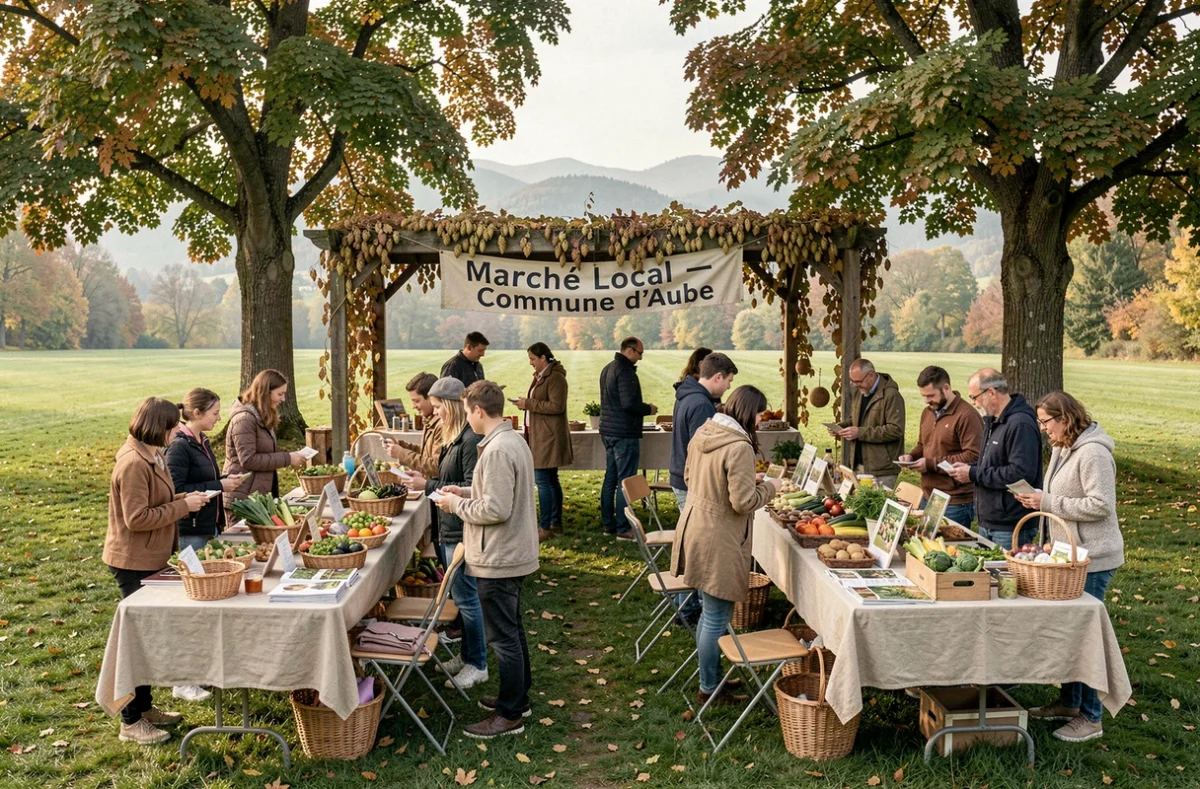
Both areas are committed to involving residents in decision-making, but the ways in differ. In Aube, participation takes the form of practical, issue-based initiatives: school workshops, food forums and partnerships with community organizations. Citizens take action before they take part in a vote.
Luxembourg is following the opposite path. The Council of Europe protocol signed by the Minister of the Interior first establishes a legal framework. Participation in local decision-making becomes a formal right before it becomes widespread practice. Forestry and greening projects offer practical ways to put this into action, but the foundation remains institutional.
- In Aube, initiatives often start at the grassroots level (associations, schools, agricultural sectors) and then make their way to local authorities
- In Luxembourg, the legal framework comes first and structures participation, with national calls for projects implemented locally
- The two approaches are not at odds: they reflect distinct administrative cultures pursuing the same goal of bringing decision-making closer to residents
The clearest difference is the pace. Aube’s food forums bring local stakeholders together for immediate discussions. Luxembourg’s municipal reform, by contrast, follows a legislative timetable that determines when the new participation rights can take effect. Residents of the Grand Duchy have a strong institutional promise, but putting it into practice still depends on the bill’s progress through Parliament.