The alarm rings out of habit, but no one set it. The first weeks of retirement often feel like an extended vacation, until the emptiness of structure begins to weigh heavily. Living well in retirement is not just about ticking off activities on a list: it’s a complete rearrangement of daily life, social rhythm, and self-perception.
The shock of the first months of retirement and how to defuse it
It’s not often discussed, but the first months after retirement frequently generate anxiety, sleep disturbances, and a loss of bearings. French pension and health insurance funds have actually started, since 2023-2024, to integrate psychological preparation workshops and support groups into their prevention programs.
In practical terms, anticipating the transition at least six months before departure changes the game. One can contact their regional fund (Carsat, MSA) to enroll in a program like “Welcome to Retirement,” which combines administrative information and support for daily life.
The classic trap: wanting to do everything in the first week. Travel, volunteering, language courses, organizing the attic. This compulsive overactivity masks the real work, which is to build a sustainable routine. The resources available on guideseniors.fr help identify suitable options for each profile, without the pressure to fill every slot.

Adapted physical activity: the most underestimated health lever for seniors
We know we need to move. But between knowing and doing, retirement creates a paradox: we have more free time, yet sedentariness increases. Work imposed movement, stairs, and back-and-forth trips. Without this constraint, the body quickly disengages.
Adapted physical activity goes far beyond daily walking. It includes muscle strengthening (fall prevention), balance training, and joint flexibility. No need for a gym: bodyweight exercises, practiced three times a week, are enough to maintain autonomy.
The preventive assessment for those aged 60-70, reinforced by the 2024 social security funding law, allows one to build a multi-year strategy with their doctor that integrates physical activity, screenings, and housing adaptations. We’re not talking about a simple annual check-up, but a plan designed for the decade following retirement.
- Make an appointment with your primary care physician for a preventive assessment in the first months of retirement to set realistic goals
- Try several activities before committing: aquagym, tai chi, electric biking, chair yoga. Feedback varies on this point, as the enjoyment felt depends greatly on the supervision and the group
- Incorporate movement into daily tasks (gardening, active cleaning, walking trips) rather than concentrating everything into a single session
Progressive retirement and employment-retirement combination: keeping a foot in the collective
The sharp break between active life and retirement is no longer the only model. Forms of progressive retirement and employment-retirement combination are developing, and not just for financial reasons. Working part-time or taking on occasional work preserves a social rhythm and a sense of usefulness that significantly reduces the risk of isolation in the first two years.
For some, it’s a consulting mission in their former sector. For others, a seasonal job unrelated to their career. The goal is not to prolong work out of obligation, but to maintain regular interactions outside the family circle.
Volunteering fulfills a similar function. But it requires a commitment that not everyone is ready to take on immediately. The employment-retirement combination offers a more flexible framework, with compensation that can supplement the pension without replacing it.

Social connections after retirement: going beyond the family circle
Senior life often revolves around the couple and grandchildren. This core is valuable, but it’s not enough to maintain social balance. Former colleagues drift away, and friends who are still active are less available.
Creating new connections requires a proactive approach after 60. Senior clubs, municipal workshops, lifelong learning universities, and sports associations provide concrete entry points. The idea is not to multiply contacts, but to find one or two regular groups that structure the week.
- Favor activities with a fixed frequency (weekly classes, bi-monthly workshops) rather than one-off events, so that the connection builds over time
- Don’t hesitate to try alone: waiting for a loved one to be available often delays taking action by several months
- Explore local digital platforms (municipal websites, association networks) that list activities by neighborhood and interest
Adapting your home early to avoid urgent renovations
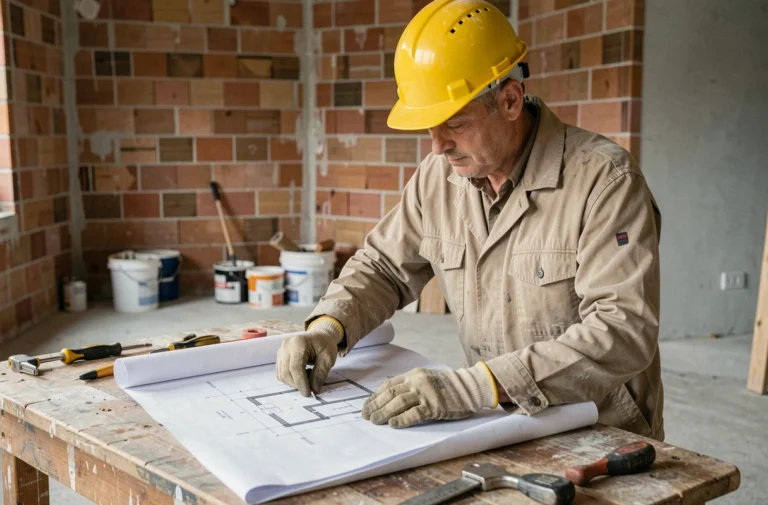
It’s rarely considered at 62, and yet it’s precisely the right time. Adapting your home before you need it is cheaper and easier to plan. Grab bars in the bathroom, enhanced lighting in stairways, replacing a bathtub with a walk-in shower: these modifications may seem minor, but they drastically reduce the risk of domestic falls.
The preventive assessment mentioned earlier now includes this housing dimension. The doctor can refer to an occupational therapist or a housing advisor from the Carsat, who evaluates the home and proposes modifications partially funded by public assistance.
Waiting for a fall or a loss of mobility to react turns a peaceful project into an urgent construction site, with delays and stress that could have been avoided. Enjoying retirement also means securing the place where one spends the most time.